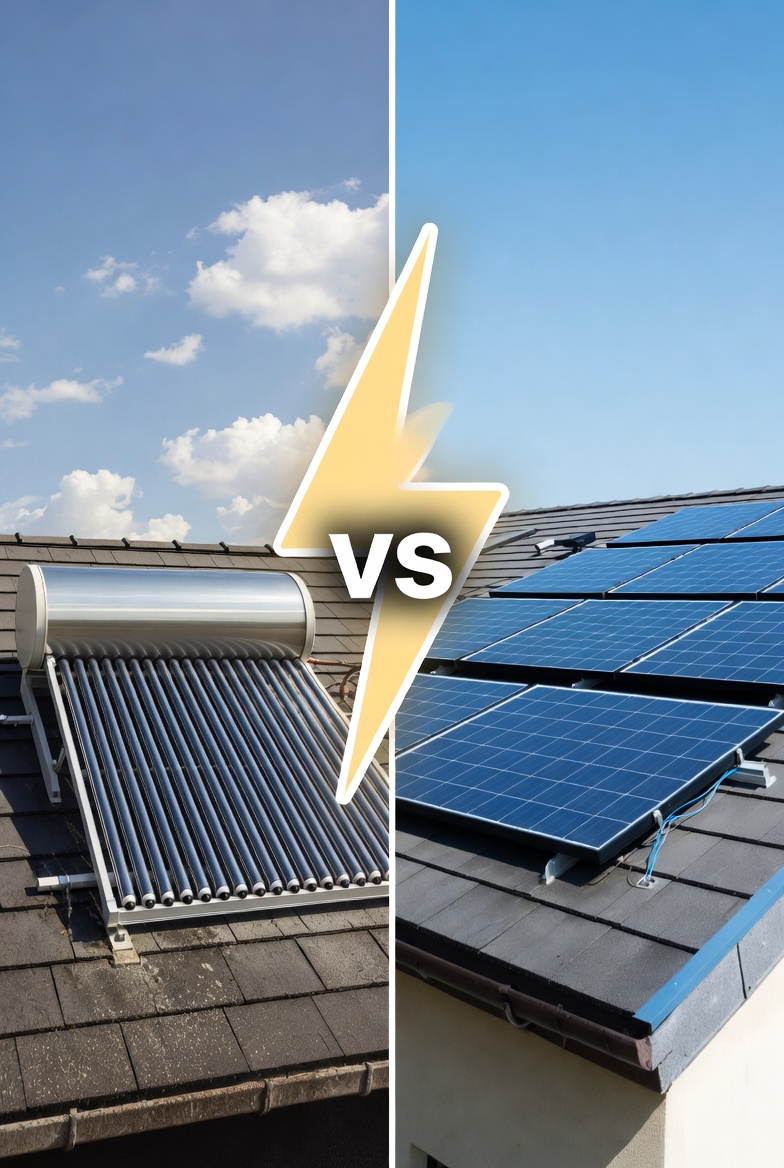
South Africa’s SANS 10400-XA (Energy Usage in Buildings, 2021 Edition 2) mandates that at least 50% of the annual average hot water heating requirement in new buildings, including multi-dwelling residential units, must be provided by means other than grid-derived electrical resistance heating or fossil fuels. This promotes energy efficiency and reduces reliance on Eskom’s grid.
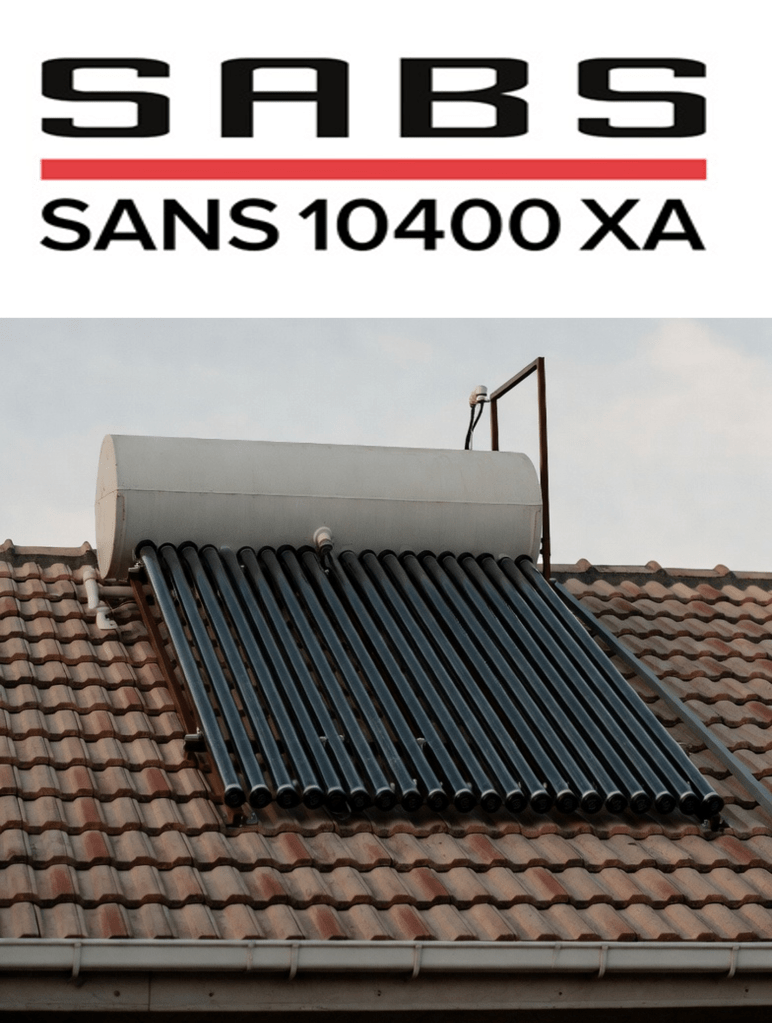
While traditional solar thermal geysers (solar water heaters) are a common compliance route, solar photovoltaic (PV) systems are often a superior option—especially for multi-unit developments. A centralised or shared PV system can power geyser elements across units (using timers to prioritise water heating during the day), achieving compliance more cost-effectively with lower total installed costs (due to bulk economies), reduced maintenance (no individual rooftop collectors prone to leaks/hail damage), and additional benefits like powering common areas, lighting, or EV charging. PV also aligns better with modern smart controls and future-proofing in sectional title schemes.
In South Africa’s new multi-dwelling residential developments, compliance with SANS 10400-XA often drives the adoption of renewable energy solutions for hot water heating. While traditional solar thermal geysers remain popular, solar photovoltaic (PV) systems are increasingly viable alternatives—powering electric geysers with on-site generated electricity or using dedicated PV diverters to heat water directly. This flexibility allows developers and bodies corporate to meet the 50% non-grid heating requirement efficiently.
A key decision is how to fund these systems: through CAPEX (direct purchase, capital expenditure) or OPEX (rental or Power Purchase Agreement – PPA, operational expenditure). Let’s break this down using a practical example of a 100-unit apartment complex, each unit approximately 75m² (suitable for 2-4 occupants, requiring around 150-200L hot water capacity daily).
The Role of Solar Solutions in Compliance
To illustrate costs, consider the traditional route first: installing individual solar geysers (thermal systems) per unit. In 2025, a typical high-pressure 200L solar geyser system (including evacuated tubes or flat plates, tank, and installation) costs between R20,000 and R30,000 per unit in South Africa, with averages around R25,000-R27,000 for quality installations compliant with SANS standards.
- For 100 units: Total CAPEX ≈ R2.5-R2.7 million.
- This upfront capital ties up significant funds during development or via body corporate levies post-completion.
- Payback comes from reduced electricity usage (geysers account for 30-50% of household power), typically 4-7 years with current tariffs, but the initial outlay is substantial.
Alternatively, a centralised or shared solar PV system can achieve the same compliance more cost-effectively in multi-dwelling setups. A roof-mounted PV array (e.g., 100-200kW depending on design) can generate excess daytime power diverted to heat water across units via smart controllers or individual geyser elements. Installed costs for multi-residential PV in 2025 range from R15,000-R25,000 per kW (bulk discounts apply), making a compliant system potentially cheaper overall than 100 individual geysers—often R1.5-3 million total, with broader benefits like common area lighting and EV charging potential.
CAPEX Model: Direct Purchase and Ownership
In the CAPEX approach, the developer or body corporate funds the full system upfront (cash, loan, or development budget).

Pros:
- Full ownership: Capture 100% savings, plus tax incentives (e.g., Section 12B accelerated depreciation for renewables).
- Long-term “free” energy after payback (4-8 years in SA’s sunny climate).
- Asset value appreciation for the property.
Cons:
- High initial cost of capital: For our 100-unit example, R2-3 million diverts funds from other priorities.
- Opportunity cost: That capital could yield higher returns elsewhere—e.g., investing in additional units, amenities (gym/pool), or property enhancements that boost rental yields or sale prices by 5-10%. In a high-interest environment (prime rate ~11-12% in 2025), borrowing adds financing costs, extending payback.
- All risks (maintenance, insurance, performance) borne by owners.
OPEX Model: Rental or Power Purchase Agreement (PPA)
Here, a third-party provider installs, owns, operates, and maintains the system at no upfront cost.
- Rental: Fixed monthly fee for system use, tyipcally escalating below the utility power escalation rates increasing savings year-on-year.
- PPA (more common for multi-residential): Pay only for kWh generated/consumed at a predetermined rate, typically 20-50% below Eskom/municipal tariffs (e.g., R1.20-R2.50/kWh vs grid ~R3-R4/kWh in 2025).
Typical PPA Structure in SA:
- Contract term: 10-25 years.
- Provider handles everything: Design, installation, monitoring, repairs, insurance.
- Escalation: Fixed or low annual increase (e.g., 6%).
- End-of-term: Option to buy at fair market value, extend, or remove (often transfer ownership cheaply/nominally).
- For 100 units: Immediate savings passed to residents via lower levies or to body corporate; no capital strain.
Pros:
- Zero upfront CAPEX: Preserves capital for higher-ROI projects.
- Predictable costs and immediate savings (day 1).
- Risk transfer: Provider guarantees performance.
- Ideal for sectional title schemes where consensus on large levies is challenging.
Cons:
- Higher long-term cost (provider profits built-in).
- No ownership until end (miss some incentives).
Making the Choice: Opportunity Cost Matters Most
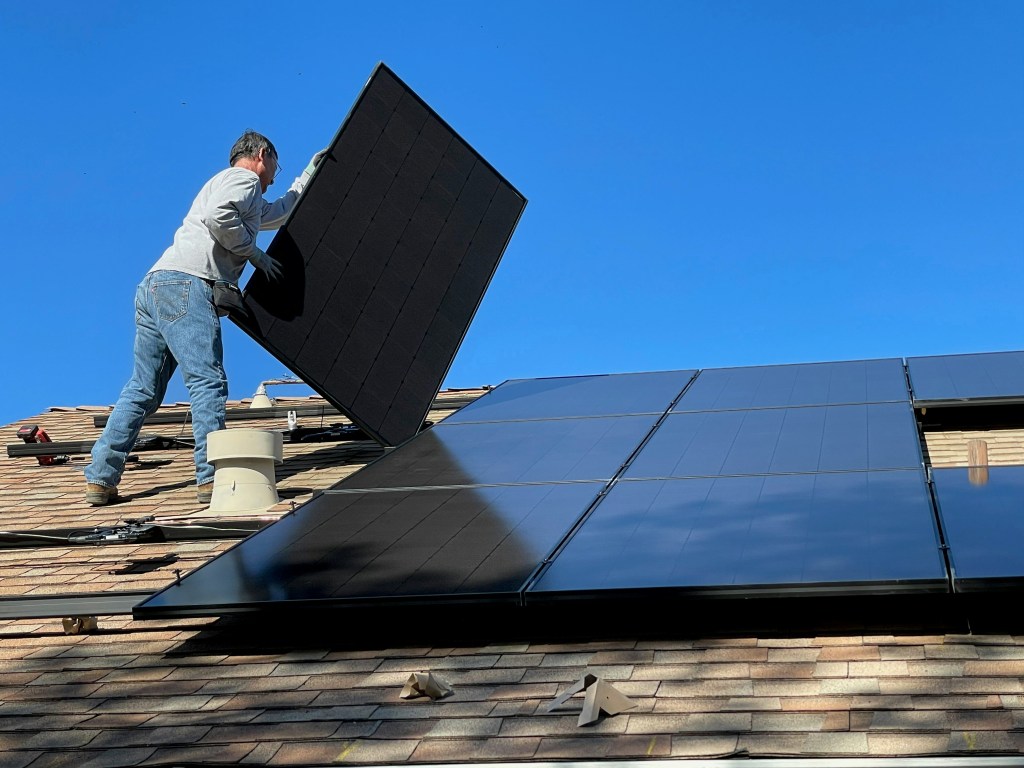
In our 100-unit scenario, tying up R2.5 million in solar geysers (or equivalent PV) via CAPEX means forgoing opportunities like:
- Developing extra parking/EV stations (increasing property desirability).
- Upgrading finishes to command higher rentals/sales.
- Earning 8-12% returns in alternative investments.
- For developers building multiple multi-dwelling complexes simultaneously, this can release a lot of CAPEX to focus on more developments elsewhere!
OPEX/PPAs eliminate this opportunity cost, enabling greener compliance without compromising cash flow—perfect for developers maximising returns or bodies corporate avoiding special levies.
As South Africa’s energy landscape evolves with rising tariffs and SANS enforcement, solar PV via OPEX is gaining traction for multi-dwelling projects: compliant, cash-flow friendly, and scalable.
What are your experiences with funding renewables in sectional title developments? Let’s discuss below.
#RenewableEnergy #SolarEnergy #Sustainability #EnergyEfficiency #ShauneBouwerInsights
Image Credits: Andre Taissin and Bill Mead on Unsplash, and Grok.com
 shaune bouwer talks everything value