Why does it seem that bad managers are being promoted? It’s not that people don’t see through them but that there are cracks in the organisation. These are the people that don’t necessarily work the hardest, do the best work or have shown any real semblance of leadership abilities.
They seem to be the people that are the loudest, say the most in meetings even if they are repeating something already said or simply fill any gaps and keep speaking so that they can create the illusion of adding value in meetings. Others simply found comfort in their company and since other companies can see through their rhetoric in an interview process, they cannot leave. They outlast their colleagues, ‘the competition’ and somehow get promoted.

What does this mean for the company? The good employees that are overlooked time and time again for promotion, the ones actually keeping the company together start leaving one by one, slow enough to not raise any flags about the leadership and it’s easily blamed on normal churn. Key skills are lost, the critical tacit knowledge walks out the door and straight to the competition making it very difficult to compete effectively in an ever increasingly competitive market.
New employees are also interviewed and selected by these new managers. They employ people that they like and will support their growth in the company, but not by performance. Through politics, picking favorites, playing games building alliances. The irony is if they just managed their team well, supported them and let the results speak for themselves they would probably also be promoted, right? Sadly, in broken organisations it’s quicker to play the political game.
A bad manager also abuses, or at least misuses information gained in confidence, often by accident. If an employee goes to a manager to talk about a problem they are facing with another employee, particularly in another department they may just want to bring it to the manager’s attention, not necessarily want anything done about it. This is especially true where the person in the other department has power over a process or any authorization that impact the employee’s KPIs. If the employee relies on the authorization and have no power or autonomy, they will negatively affect their performance. Raising this as an issue, that may look like an escalation, may create friction in an already difficult situation and they can be retaliated against by delaying the authorizations needed to perform their duties.
If the manager spills the beans and addresses it with the other person, they have broken a trust bond and the employee will not confide in them again. So, before a manager decides to fix anything without knowing all the context, discuss the steps that will be taken with the employee and gain buy in.
So, what can companies do?
Firstly, some good employees are promoted and become bad managers. Not everyone is cut out to be a manager and without the correct training, coaching and mentoring they cannot succeed. If you see an employee’s potential and they are earmarked for leadership, put them on the right path. Ensure they are given learning opportunities which may be formal and informal in nature. Put them on leadership development programs which should include practical leadership experience, not just all the internal and external courses that can be allocated to them on the company intranet.

Periodic leader shadow opportunities and coaching sessions with other managers will give them access to scenarios and learning not available to them. These coaches and mentors should also come from different departments so that they get to solve problems they are not used to or have experience in with people they may not know so the personal elements are eliminated. Let s software developer solve an HR problem! A lot of experience can be fabricated internally with very little effort and at little cost.
Secondly, identify the bad managers.
Exit interviews:
Bad managers are on their best behavior when they need to, in front of the people that matter but do what they want with little- to no repercussions with their teams. The normal day to day business operations is not enough to point out these bad managers and the only way to do that is by getting feedback from the employees. It goes without saying that exit interviews are a great source of information if they are confidential and the exiting employee feels safe and comfortable enough to tell you the truth. If they believe there is an opportunity for them to return to the company one day, they will not oust their manager for fear of burning the proverbial bridge. Feedback needs to be utilized in such a way that the source of the information does not become known to the implicated manager. It needs to be used tactfully to for the betterment of the manager, his team and the company.
Skip level meetings:
Another way is to have skip level meetings with employees. This means that employees have a confidential, safe and repercussion free meeting with their manager’s manager and are able to tell the skip level manager what is actually happening on the ground. A single employee may not feel comfortable enough to lay it all on the table but if they are given an opportunity together, they may tell it as it is.
External eyes:
Another option is to have an external party do some interviews and evaluations periodically. Unfortunately, this is a little more costly but employees may be more willing to speak to a neutral third party that don’t know them or the manager.
Don’t rely on surveys:
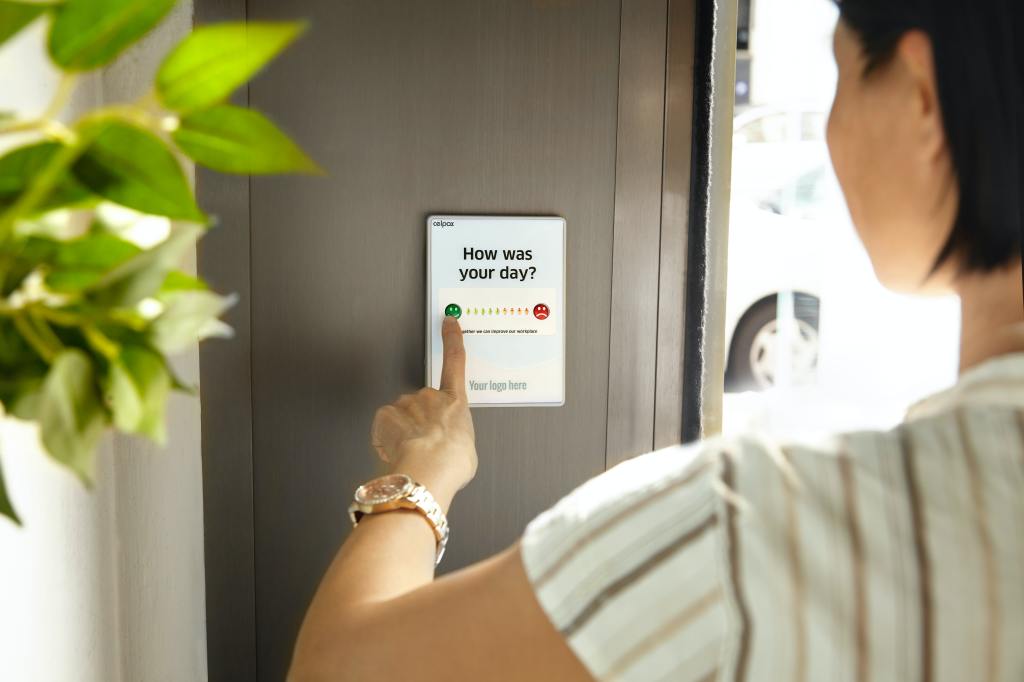
Research shows that only 22% of companies are getting good results from their employee engagement surveys. Surveys can be skewed very easily; employees don’t trust that the surveys are anonymous, the departments are so small that it makes it easy for a manager to retaliate against employees or the entire department, or in some cases employee satisfaction and positive results in these surveys are linked to employee KPIs why would you give a poor score if it will affect your pocket? If your organisation does surveys get it professionally done in a way that the real information is presented and most importantly, there is no point in wasting everyone’s time with surveys if no actions come of it! Leadership needs to put a SMART action list together to ensure the corrective changes are made and progress improvement is measured in the next survey.
Don’t overlook the quiet leader:
Extroverted employees seem to be promoted more than introverts. Just because an employee is an introvert does not mean that they will be a poor manager or that they will not be able to rally the troops when needed. In fact, extroverted managers tend to want to put their ideas out there first which can stifle input and collaboration from their team. In an age where we want to foster a culture of team work, having an introverted manager may allow more ideas and more free speech from their teams simply because they speak last.
Lastly, identify what managers are needed for the organisation and departments.
If leadership put more thought into what leaders are needed for the organisation a lot of these issues can be avoided. The simple truth is that not every good employee will make a good manager and a manager should not only be selected for the now but for what the company requires in the future. Do they have the ability to look at their role strategically and steer the ship and motivate their team in the right directions through the most treacherous of waters?

If you are looking for a manager for a specific department the first thing that needs to be looked at is who will they be managing. Has the team been there for many years or is it a quick churn team?
If they are churning quickly maybe you need to figure out what is going on in that department and possibly should be looking at a totally different kind of manager. Maybe even from outside the industry.
If it’s the same team that have been there for the last few years you need to manage according to those team members. It may even require doing personality assessments to see what leadership they respond well to. You may also have a team that has been there for a long time but have not been performing as well as they should. Finding the manager with the right leadership approach will get you better results.
Photos by Kelly Sikkema, krakenimages, Celpax and Husna Miskandar on Unsplash
 shaune bouwer talks everything value