‘Do you work better in a team or as an individual?’ The old tried and tested interview question that after many years I still cannot understand the relevance. What is the recruiter trying to ascertain?
Maybe it’s changed in the last two years with covid, lock-downs and remote working. I worked with some people that did very well pre-covid in the office but could not self-motivate when being alone and at home. Many of my customers that had outbound call centres said they saw a stark difference in some employees sales performance when comparing remote work to working from the office. They had the same tools but simply cannot perform remotely. When they went back to the office their performance improved! Others performed the same no matter where they were. It seems some people need to feed off the energy of others to do well. It does not explain why the question was a go to question for many interviewers pre-covid though.
Let’s not simply make this a covid, remote working discussion. What is teamwork? Is it really teamwork? What if a lot of what people believe is teamwork is just a lot of individual performances that when combined reach a common goal. More like a chain of events than teamwork.

Let’s compare sports; cricket and rugby. In a game of rugby each player has a position and a certain set of tasks to make the team successful but in open play the level of how interconnected the players are is vital. The ball is passed and each player needs to be there in support of the other player to catch the pass, clean the defenders off the ruck and cover defend if the team turns over the ball. These are all a set of individual accomplishments to individual tasks but heavily reliant upon another person.
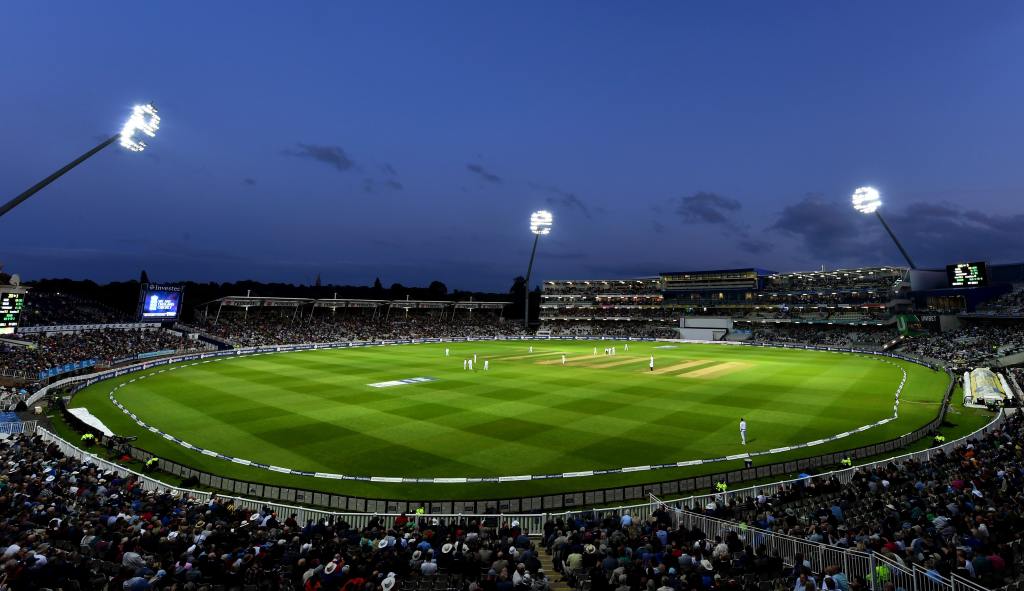
Cricket on the other hand is not so interconnected. There are two batsmen on the field and if they do well they can score all the runs needed for an innings, none of the other batsmen are needed. The bowler can also continue with very little intervention from anyone else. If he takes the wicket by bowling the batsman middle stump it was an individual performance. Even if the batsmen is caught out it is the fielder’s individual performance that got the wicket. It’s a team sport made of a lot of singled out individual performances. So does that mean getting a team together of individuals that can individually perform will make a strong team?
What about tennis? Is doubles a team sport? And if the one player should get injured and not participate at all and the other player beats the opposition on their own, was it still a team effort?
We know that a good team on paper, a team of extraordinary individuals just simply don’t perform as well as a team that work well together. We have seen some great teams lose on the day because they didn’t click, they lacked the spark. That is where the best upsets come from! The bottom line is that the sum of efforts from a team that works well together will outperform the competition if they do not work together. The individual efforts in a cricket match is what makes it a team sport, it’s the combined individual efforts. As for the fallen tennis player, they rely on the backup and trust their partner to still go the distance and win. They rely upon each other, back each other up and cover where the other is lacking.
There are studies that show that remote working may be to the preference of the individual and they may think they are more productive but as a team collectively the productivity is reduced. Many employees believe they are more productive but they are actually only busier due to not having the correct support from their colleagues. These studies show that individual employees are more productive when they work remotely only if their colleagues are at the office. The moment their colleagues also work remotely all productivity goes down.
Remote working has led to many changes and challenges but how that impacts the team is something that most team leaders miss. Don’t misinterpret the team being busy for being productive. It goes so far that maybe the performance review process needs to be revamped. Individual’s performance cannot be measured in isolation. There needs to be a team dynamic section to make this a fair process. What if the best bowler in the world has the worst innings because his team just simply is not fielding on the day? Is it fair that his individual stats are affected as a result? What about that sales person that can break every record but operations simply cannot deliver or procurement cannot secure the stock?

The team dynamic in individual performances need to be managed differently. The companies that do well, do this well. For departments or companies that are struggling, maybe this is a good place to look for the issues at a grass roots level.
Another challenge is the fact that different departments have different KPIs and although they seem to be driving the company in the same direction, these KPIs are not complementary.
A practical example is when you compare the sales KPIs with another department, lets say any department that is accountable for governance and risk management, typically finance, credit or legal. If they have a zero risk KPI then it’s easy, stop any sale from going through as a sale by default can have inherent risks. The client can default on payments etc. But without sales there is no company and if you let sales run the show then the company will be at too high a risk! So it sounds like the sales team need a governance KPI and finance need a sales / revenue KPI so that they meet each other half way!
Whether individuals need to perform individually to ensure the team perform better, or different departments need to align more closely, teamwork is vital and in the modern remote working way of doing business this is something that companies must focus on!
Image credits: Photo by 2H Media, Thomas Serer, Aksh yadav, Antonio Janeski on Unsplash
 shaune bouwer talks everything value